
Current Environmental Challenges
Taking Responsibility for the Planet
In today’s world, we face numerous environmental challenges that threaten the health and sustainability of our planet. From climate change and pollution to deforestation and habitat destruction, the need for immediate action is more crucial than ever before. This blog post aims to shed light on the current environmental challenges faced globally and specifically in Zimbabwe. By exploring the causes, consequences, and potential solutions, we hope to raise awareness and inspire collective action towards environmental conservation.
Global Environmental Challenges
Climate change, resulting from greenhouse gas emissions, is one of the most pressing challenges we face today. Rising temperatures, extreme weather events, and melting glaciers are just a few of the consequences. Pollution, including air, water, and soil pollution, poses a significant threat to ecosystems and human health. Deforestation, driven by agriculture, logging, and urbanization, leads to habitat loss and biodiversity decline. Additionally, habitat destruction, often caused by human activities, threatens countless species and disrupts ecosystems worldwide [1].
Environmental Challenges in Zimbabwe: Zimbabwe, like many other countries, faces its own set of environmental challenges. Deforestation is a major concern due to unsustainable logging practices and the expansion of agriculture. This leads to soil erosion, loss of biodiversity, and increased vulnerability to climate change impacts. Water scarcity and pollution are also significant issues, with many communities lacking access to clean water sources. Pollution, particularly from mining activities, poses a threat to both human health and ecosystems.
Impact on Ecosystems, Wildlife, and Communities:
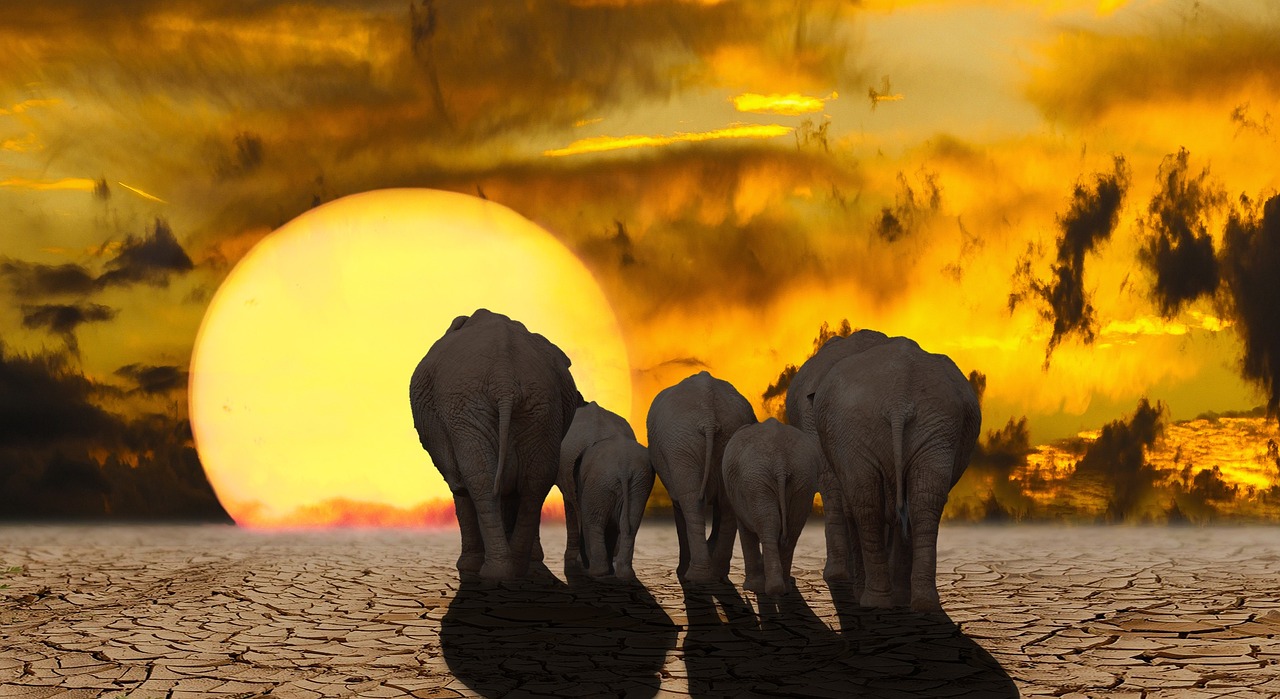
These environmental challenges have severe consequences for Zimbabwe’s ecosystems, wildlife, and communities. Deforestation disrupts natural habitats and threatens the survival of numerous plant and animal species. Water scarcity affects agricultural productivity, food security, and the well-being of rural communities. Pollution contaminates water sources, causing health problems, and impacting aquatic life. Furthermore, climate change exacerbates these challenges, leading to reduced agricultural yields, increased vulnerability to natural disasters, and displacement of communities.
Data, Statistics, and Case Studies:
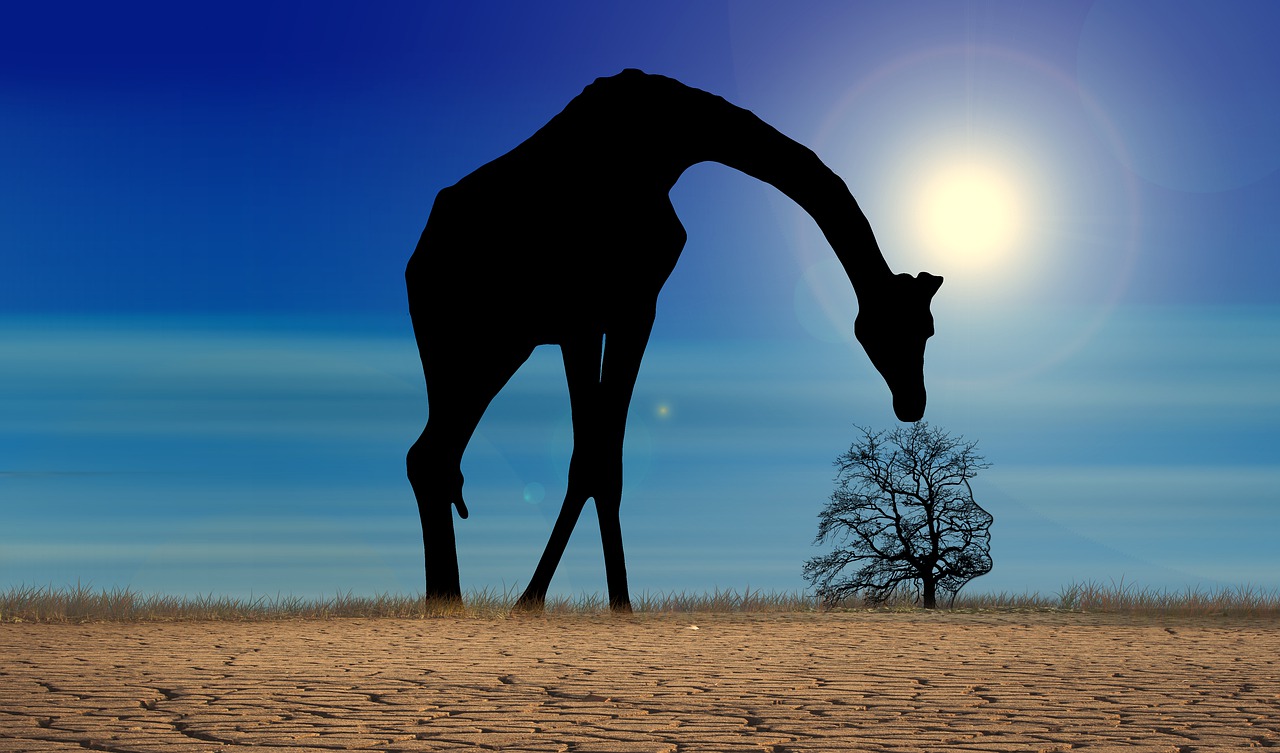
To illustrate the severity of these challenges, let’s consider some data and case studies. According to the Food and Agriculture Organization (FAO), Zimbabwe has experienced a significant decline in forest cover, with an estimated loss of 327,000 hectares per year. This loss not only affects biodiversity but also contributes to carbon emissions. A study conducted by the Zimbabwe National Water Authority revealed that around 60% of the country’s water sources are polluted, negatively impacting both human and environmental health.
Causes And Consequences
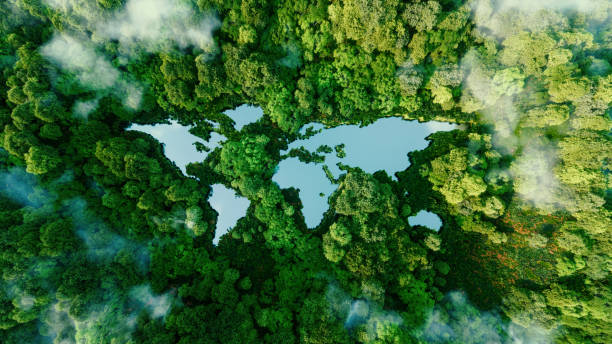
The causes of these environmental challenges are complex and often interconnected. Unsustainable land-use practices, population growth, inadequate environmental policies, and weak enforcement contribute to deforestation and habitat destruction. Rapid urbanization and industrialization, coupled with inefficient waste management systems, are major contributors to pollution. The consequences of these challenges are far-reaching, affecting ecosystems, wildlife, and human well-being. Loss of biodiversity undermines the stability and resilience of ecosystems, while pollution and climate change pose immediate and long-term risks to human health and livelihoods.
Recent Developments And Initiatives
The Zimbabwean government has implemented the National Climate Policy, which seeks to promote climate change mitigation and adaptation strategies
[1]. Efforts to promote sustainable forestry and conservation practices are also underway, with the establishment of protected areas and community-based initiatives
[2]. Additionally, civil society organizations and conservation groups are actively working towards raising awareness and implementing sustainable solutions.
Conclusion: Environmental conservation is not a choice but a responsibility that falls upon each one of us. The current environmental challenges faced globally and in Zimbabwe demand immediate action. By understanding the causes, consequences, and potential solutions, we can make a positive difference. Let us come together, make small changes in our everyday lives, support conservation initiatives, and advocate for stronger environmental policies. Only by collective action can we ensure a healthy and sustainable planet for future generations
Your support will make an impact
Contribute to sustainable community and conservation projects
Let's work together
We have the power to make a lasting difference and leave a legacy of environmental stewardship for future generations.
The shortcode is missing a valid Donation Form ID attribute.